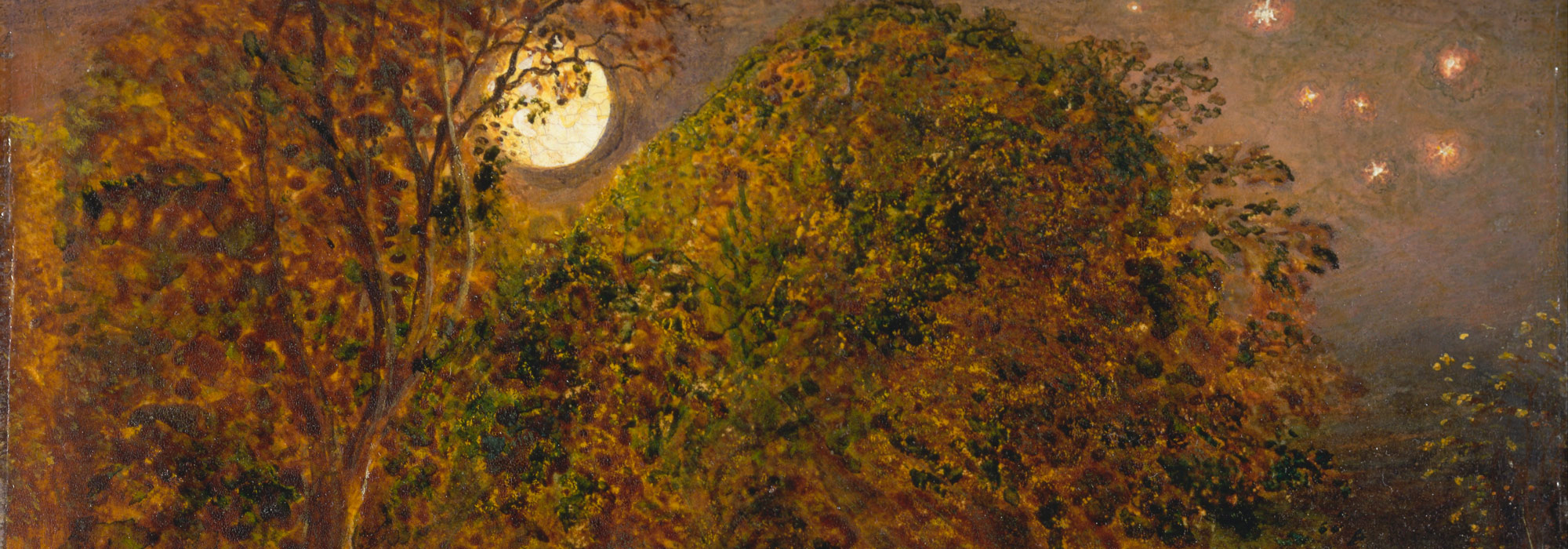
On Saturday 26 September 2026, a rather special full Moon will light up the sky: the Harvest Moon.
The name immediately calls up wheat fields, harvests and long September evenings. But why was this full Moon linked to the harvest? And more to the point, what makes it different from the others?
Digging through old books, I came across several explanations of the phenomenon. Some go back to a time when moonlight could still be of real service to those working the land.
When to see the Harvest Moon in 2026
For your calendar
Saturday 26 September 2026
Full Moon at 18:49 Paris time (16:49 UTC)
Moonrise in Paris: 19:19
Look east in the early evening, if the sky is clear.
The Moon reaches its exact full phase on 26 September at 18:49. It will look practically full the evening before and the evening after as well.
In France, the best of it comes early in the evening, as the Moon starts to climb above the horizon. In Paris, moonrise is expected around 19:19.
Why is it called the Harvest Moon?
The Harvest Moon is the name given to the full Moon falling closest to the autumn equinox. It usually lands in September, though in some years it's the October full Moon that takes the name.
In 2026 the equinox falls on 23 September at 02:05. The full Moon of the 26th is therefore the Harvest Moon, three days later.
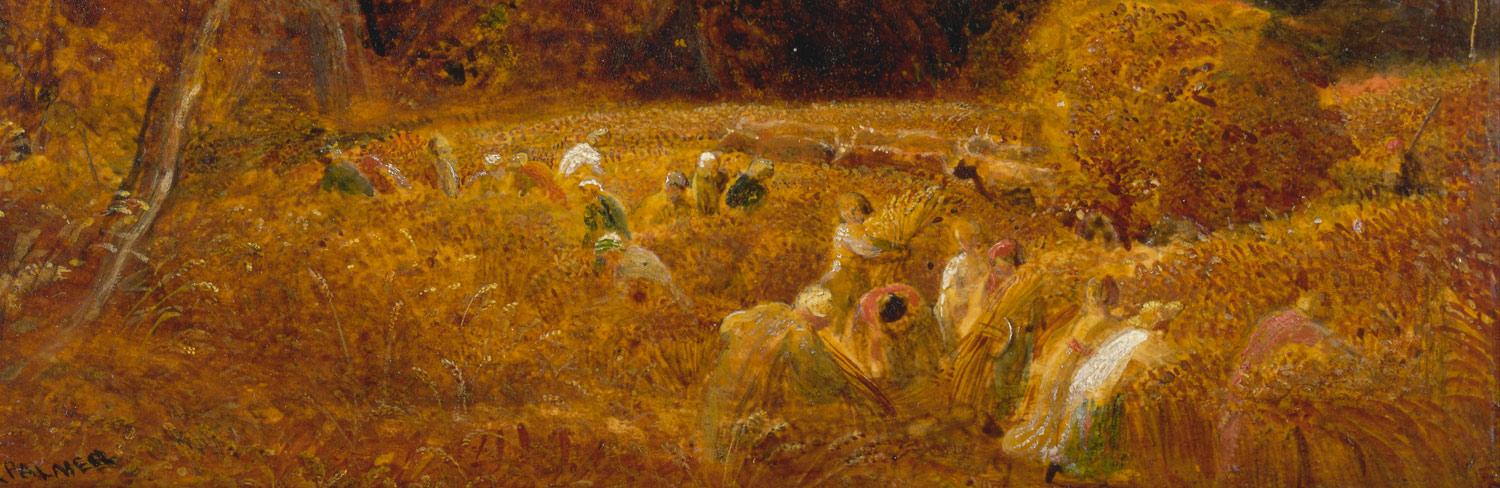
The name comes from farm work. Harvesting once demanded a great deal of labour and very long days. At this point in the year, you had to make the most of favourable conditions to get the crops in.
And at this precise moment in the year, the nearly full Moon rises several evenings running while the Sun has not yet set, or has only just done so. Its light takes over with no real interruption.
On 26 September in Paris, the Moon rises at 19:19 and the Sun sets at 19:40. It's already there when daylight goes.
This wasn't simply a pretty image: that quirk of the Moon had a very concrete use for farmers.
A quirk already explained in old books
This is what made me want to dig further.
In an old science book, I found an explanation of the Harvest Moon: the author observes that the full Moon rises several days running after sunset, and that the phenomenon is particularly helpful to farmers at harvest time. He adds that this quirk is linked to the inclination of the ecliptic.
In other words, what we now call the Harvest Moon wasn't just a name handed down by popular tradition. Scholars had also sought to explain why it rose so early for several consecutive evenings, always at the same time of year.
Another old document, drawing on an explanation by the Abbé Moigno, notes that the name was used in England in its English form: Harvest Moon.
Why does it rise at almost the same time several evenings running?
Averaged over the year, the Moon rises about fifty minutes later from one day to the next. On average only: depending on the season and your latitude, the gap can drop to twenty minutes or exceed an hour.
And around the autumn equinox, in the northern hemisphere, it's at its minimum.
Look at this year's times for Paris:
- 25 September: moonrise at 19:05
- 26 September: moonrise at 19:19
- 27 September: moonrise at 19:36
Roughly a quarter of an hour's difference each evening, instead of fifty minutes. That's the whole phenomenon, in three lines.
The reason lies in how the Moon's apparent path is tilted relative to the horizon. At this time of year, that path meets the eastern horizon at a particularly shallow angle. The Moon therefore gains less height from one evening to the next at its usual rising time, which shortens the delay between successive moonrises.
"The Moon appears several evenings running at the very moment daylight fades. And being nearly full, its light takes over at once."
It's precisely that run of bright evenings that made the Harvest Moon so useful in the past.
And the "red Moon", is that the same thing?
In my reading I also came across an old article about the lune rousse, the French "russet Moon".
It explains that the term referred to a period in spring when young shoots could be damaged by late frosts. The Moon was blamed for turning the plants russet.
The lune rousse belongs to spring farming tradition and to beliefs about frost. The Harvest Moon, by contrast, corresponds to a genuine quirk in moonrise times around the autumn equinox.
How to enjoy the Harvest Moon from your garden
No telescope or special equipment needed.
On Saturday 26 September, just find a spot with a clear view east and wait for the Moon to rise, early in the evening. To catch its possible orange tints, the best moment is when it appears just above the horizon.
And if the sky is cloudy, nothing is lost: the neighbouring evenings will also offer a nearly full Moon and an equally early rise.
This year, NASA also notes that the Harvest Moon rises close to Saturn, visible to the naked eye, and to Neptune, far too faint for the naked eye but within reach of binoculars.
A light that accompanied the harvest for centuries
Today the Harvest Moon is mainly an excuse to admire a fine late-September sight. But for a very long time it also meant a few precious extra hours of light to finish the work in the fields.
I rather like that idea: something we now watch purely for pleasure once had a very practical use.
On 26 September, when the Moon comes up over the garden, I'll be thinking of all those who, long before electric light, made use of these bright evenings to finish bringing in their crops.
They were having rather less fun than we are.